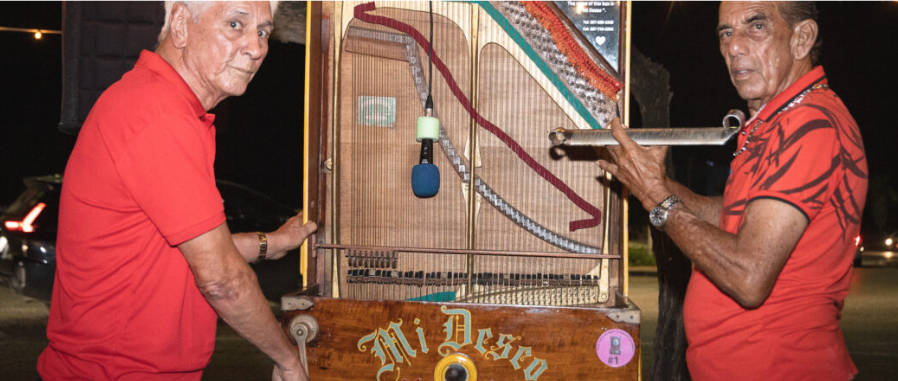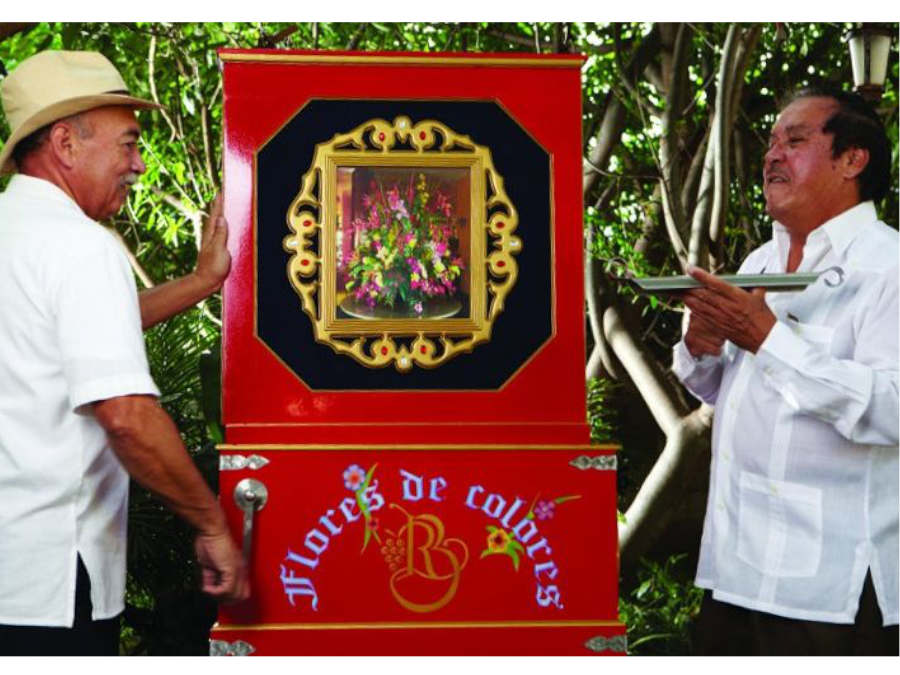
The rich and rhythmic story of the Tingilingi Box is deeply woven into the cultural fabric of Aruba. This enchanting instrument has brightened countless celebrations, from national holidays to intimate family gatherings. We extend our gratitude to LocaLisa for her thorough research and insightful contribution to preserving and sharing this cultural treasure, now celebrated on www.ArubaMusicBox.com
Origins in 19th-Century Germany
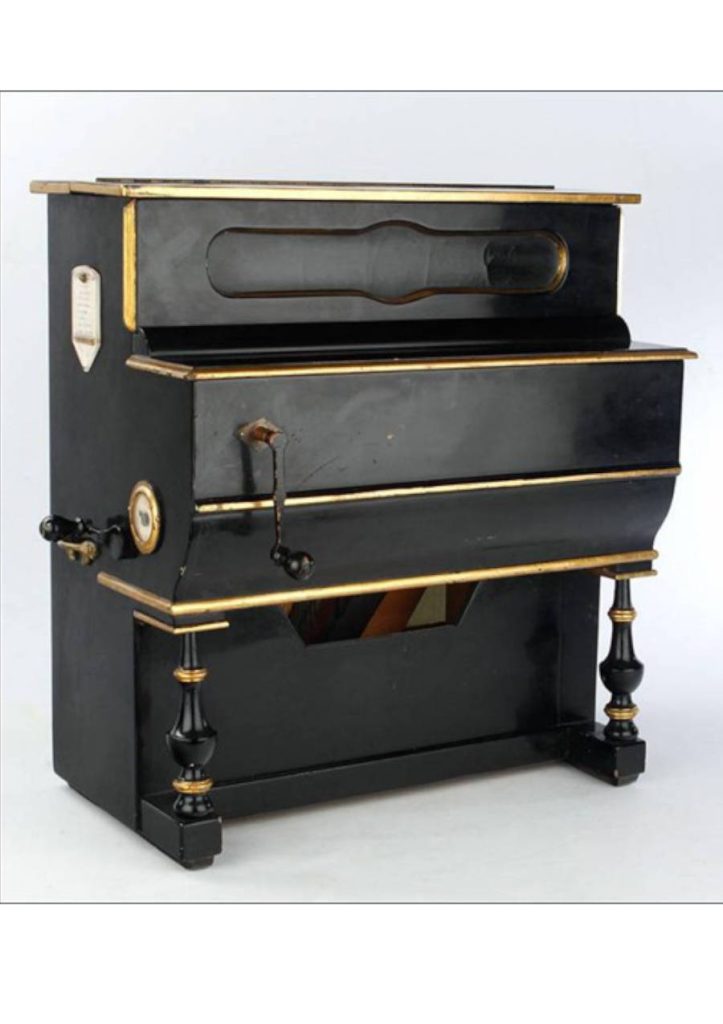
The roots of the Tingilingi Box trace back to 1842 in Waldkirch, Germany—a town renowned for its organ craftsmanship. There, Andreas Ruth (1817–1888), son of the creator of the famous Black Forest Organs, developed a new kind of mechanical instrument: the barrel organ. Motivated by a desire to preserve musical compositions before the age of recordings, Ruth modified the barrel organ into what became known as the cylinder piano. The innovation allowed music to be «stored» mechanically and reproduced exactly as intended.
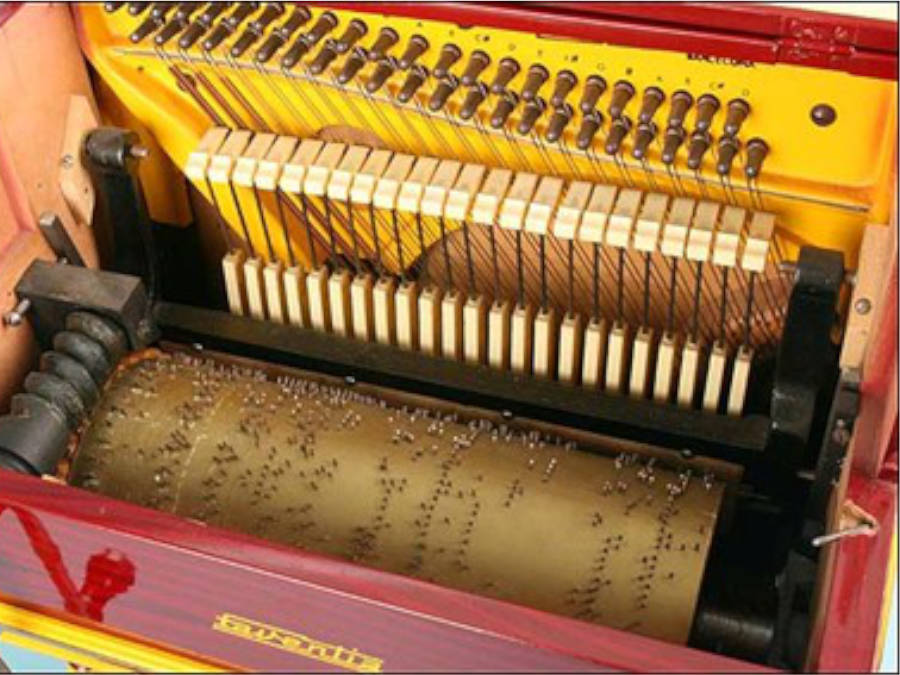
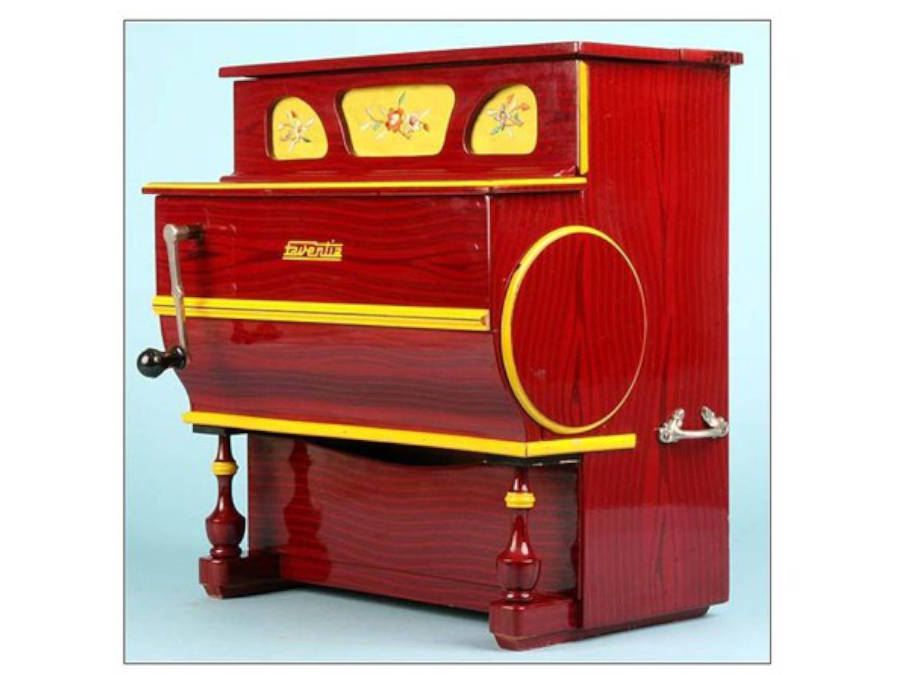
These early instruments gained popularity across Europe under various names: piano-organ, street organ, cylinder organ. Particularly loved in Spain, where it became known as the Faventia Organ, and Italy, the instrument was eventually exported to Latin America, arriving in Venezuela before making its way to the Dutch Caribbean.
The Caribbean Connection: Horacio Nestor Sprock’s Legacy
The story of the Tingilingi Box in Aruba and Curaçao would be incomplete without Horacio Nestor Sprock (born 1898), a curious and determined young man from Curaçao. During a trip to Barquisimeto, Venezuela, he encountered an Italian craftsman from Milan, a master of cylinder piano construction. Fascinated by the instrument, Horacio gradually earned the artisan’s trust, learning the delicate art of its mechanics and music encoding—despite the Italian’s initial reluctance and secretive methods.
Inspired, Horacio sent his younger brother Luis to Italy to deepen their understanding of the craft. Unfortunately, Luis returned without success, as Italian makers remained closely guarded about their traditions.
Arrival in Aruba: A Musical Revolution
In the early 20th century, the first three cylinder pianos were introduced in Aruba, quickly captivating the island’s people. Known locally as Caha di Orgel (Organ Box) or Caha di Musica (Music Box), the instrument soon adopted its most beloved name—the Tingilingi Box—a playful phonetic reflection of its cheerful chime («teeng-ee-leeng-ee»).
Initially, the music featured on the cylinders was Spanish and Italian in origin. Over time, however, local composers began recording traditional Aruban and Caribbean melodies, embedding their musical identity into the instrument itself.
Rufo Wever: Guardian of Aruban Sound
No figure better represents the Tingilingi Box’s cultural significance than Rufo Wever (1917–1977). A gifted composer and arranger, Wever is best known for co-authoring Aruba’s national anthem, Aruba Dushi Tera (watch here). Deeply enamored by the Tingilingi Box, he saw it as the perfect medium to preserve and disseminate local music.
Starting with arranging music for the instrument, Rufo eventually mastered the intricate art of cylinder creation and instrument repair. What began as a passion project evolved into a full-fledged enterprise. Rufo became Aruba’s leading arrangeur-toneur—a craftsman who both arranged music and tuned the cylinders—ensuring the instrument would continue to sing for generations.
Preserving Sound Through Time
Andreas Ruth’s original vision—to preserve music before the age of recording technology—was profoundly realized. Unlike modern digital recordings that degrade over time or formats that become obsolete, the mechanical music encoded on a Tingilingi Box cylinder can last over a century without distortion. The music today sounds just as it did when first recorded—untouched by time.
However, the Tingilingi Box has its limitations. Its cylinders offer only 40 notes compared to the 88 keys of a piano, limiting the musical range. Yet, within these constraints, it thrives with vibrant genres such as waltz, polka, mazurka, danza, tumba, joropo, and foxpolka.
The Art of Cylinder Recording
Creating a cylinder for the Tingilingi Box is a painstaking craft that involves five key steps:
- Arranging the music, carefully accounting for the note limitations.
- Gluing a blank paper onto the cylinder and smoothing it out.
- Marking the paper to guide pin placement, which controls the mechanical hammers.
- Inserting thousands of tiny pins by hand—an incredibly labor-intensive process.
- Testing and adjusting, until the melody plays flawlessly.
A single cylinder typically holds eight tunes and requires over 5,000 pins. A double cylinder can demand 7,000 or more, with work taking 12 to 18 days per piece.
Cultural Symbol and Community Spirit
The Tingilingi Box soon became a treasured presence in Aruban communities. Every town had at least three or four, each lovingly personalized with paintings, family mementos, or dedications. Owners even named their instruments—giving each one a soul of its own.
A typical Tingilingi ensemble consisted of the box itself, an operator who cranked the handle, and a companion playing the Wiri, a traditional metal rasp.
Reviving Tradition: The Tingilingi Box Contest
By the mid-20th century, with DJs and live bands gaining popularity, concern grew that the Tingilingi Box might be forgotten. In 1975, the first Tingilingi Box contest was held, aimed at reviving interest and celebrating the national heritage.
Participants performed in traditional attire, some accompanied by folkloric dancers, adding spectacle to the sweet nostalgia of the music. The first winner was Chanita Vrolijk, with her box named Gloria. Today, this beloved competition still takes place during the last week of November, continuing to spotlight the charm of the instrument and its place in Aruba’s living cultural history.
From Andreas Ruth’s German workshop to Aruban street corners and celebrations, the Tingilingi Box is more than a musical instrument—it is a symbol of community, creativity, and cultural preservation. It plays not only melodies but memories, echoing the enduring spirit of the Caribbean.