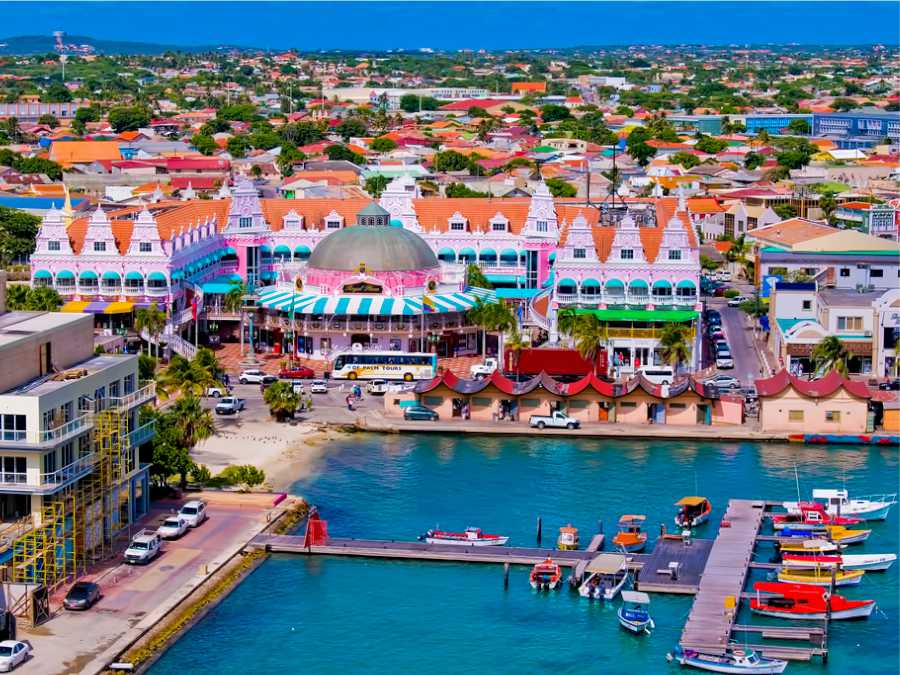
Few musical instruments capture the spirit of a culture like the Tingilingi Box—known in Curaçao as the Ka’i Orgel and affectionately called the Tingilingi Box in Aruba. More than a quaint mechanical music maker, it’s a living symbol of community, nostalgia, and identity across the Dutch Caribbean.
In this post, we explore the fascinating history, cultural significance, and ongoing legacy of the Tingilingi Box in Aruba, Curaçao, and beyond.
What is the Tingilingi Box?
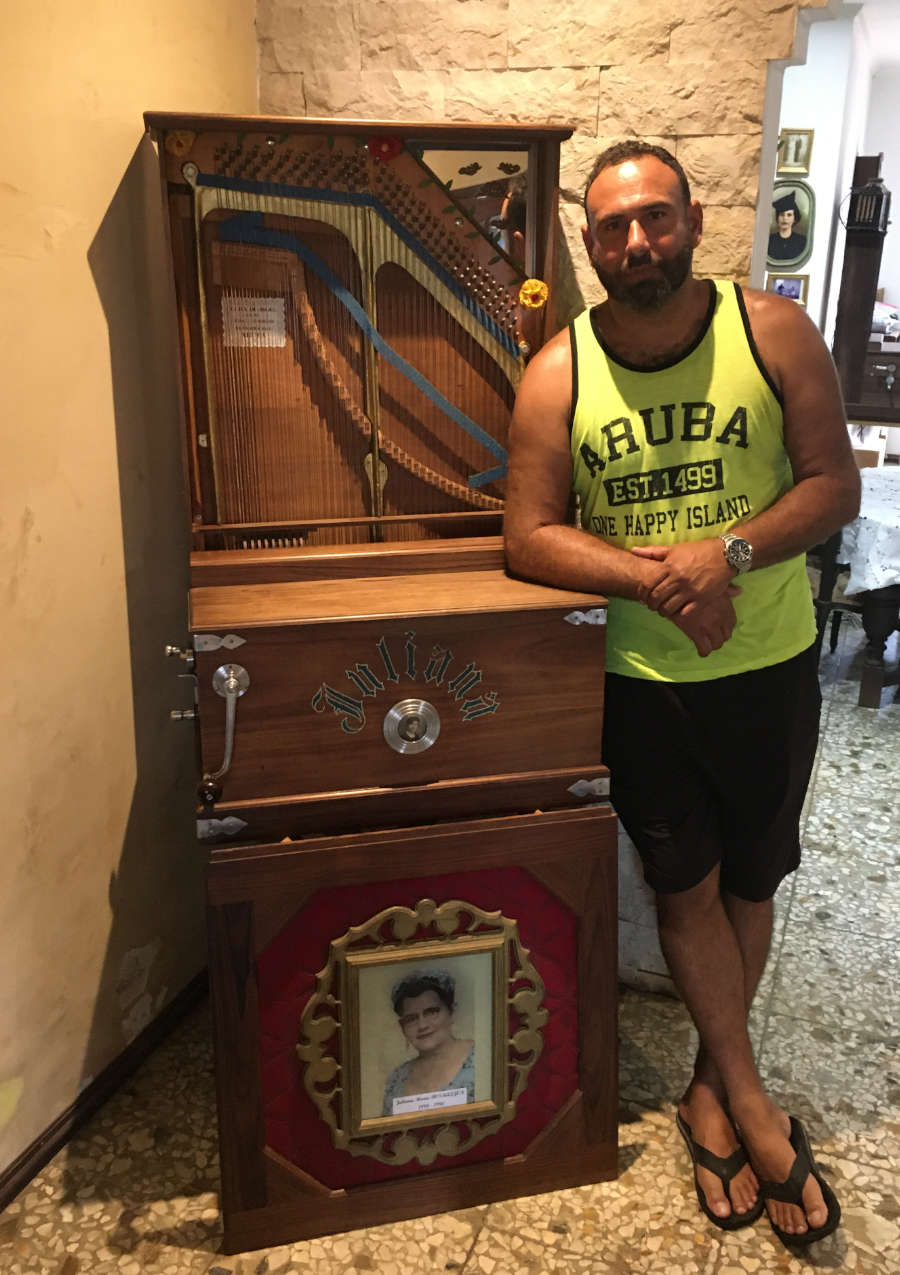
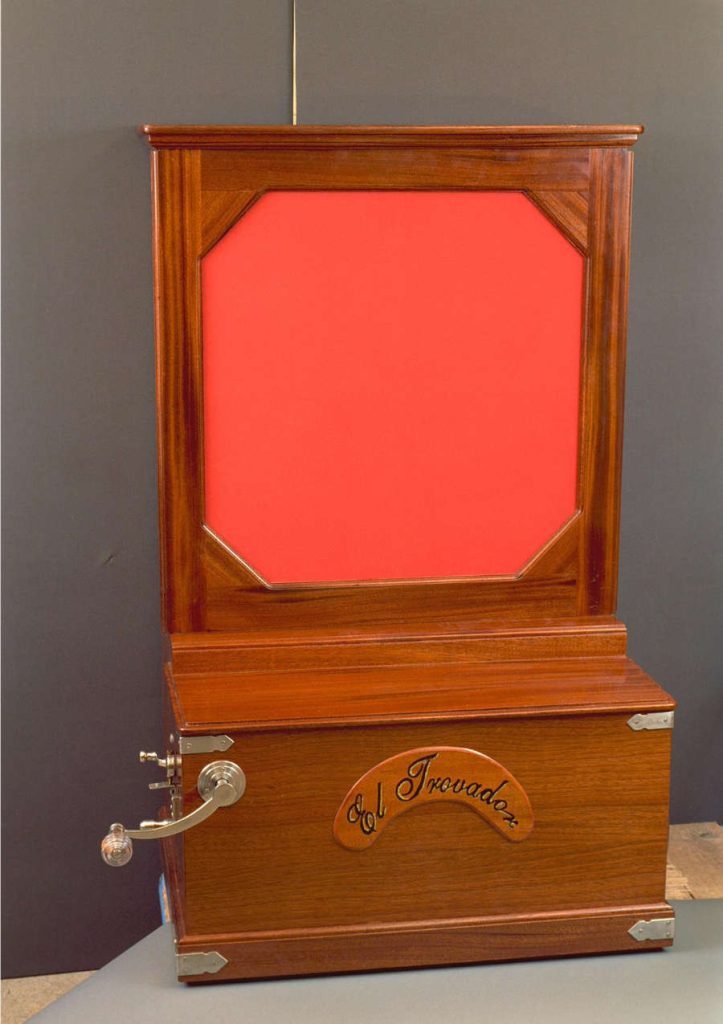
The Tingilingi Box is a mechanical musical instrument that blends the functions of a barrel piano and an organ. It features a wooden sound box and a rotating cylinder (barrel) embedded with thousands of tiny nails. As a crank is turned, the cylinder strikes hammers against strings, playing pre-programmed melodies in a charming, rhythmic style.
Although often called an “organ box,” the instrument has no organ pipes. Its construction and operation more closely resemble a player piano or music box—but with a distinct Caribbean flair.
From Europe to the Caribbean: A Journey of Musical Heritage
The origins of the Tingilingi Box date back to 19th-century Germany, where the first barrel pianos were created. These instruments gained popularity across Europe—especially in Italy and Spain—under names like Organetto, Organillo, and barrel organ.
The instrument’s Caribbean journey began in Venezuela, where Horacio Nestor Sprock (born 1898), a Curaçaoan expatriate, encountered it in the city of Barquisimeto, Lara , Venezuela. Enthralled by its sound and charm, he brought it back to Curaçao in the early 1900s. There, he began building and leasing instruments for social events and dance parties.
By the 1940s, local demand had grown so significantly that both Curaçao and Aruba began their own production of the instruments and custom music cylinders—an early form of music localization that helped the instrument deeply embed itself into island life.
Cultural Role in Aruba and Curaçao
In Aruba, the instrument quickly became a beloved part of public festivities, family gatherings, and cultural events. Known locally as the Tingilingi Box, its joyful, syncopated melodies brought people together—regardless of social status or background.
In Curaçao, the Tingilingi Box became a staple of traditional music and community celebrations. It provided not just entertainment, but a means of music preservation. Many of the early songs stored on its rotating cylinders remain playable today—sounding exactly as they did over a century ago.
“It’s not just music—it’s a time machine.”
Anatomy of the Tingilingi Box
- Sound Box: Usually crafted from mahogany, giving it a rich, warm resonance.
- Rotating Cylinder: Contains up to 8 songs stored via roughly 5,000 tiny nails.
- Manigeta (Crank Handle): Manually powered, it sets the music in motion.
- Genres: Ideal for traditional Caribbean and European dance music—waltz, tumba, joropo, polka, danza, and mazurka.
- Performance Style: Typically, one person turns the crank while another adds rhythm using instruments like the wiri (metal scraper).
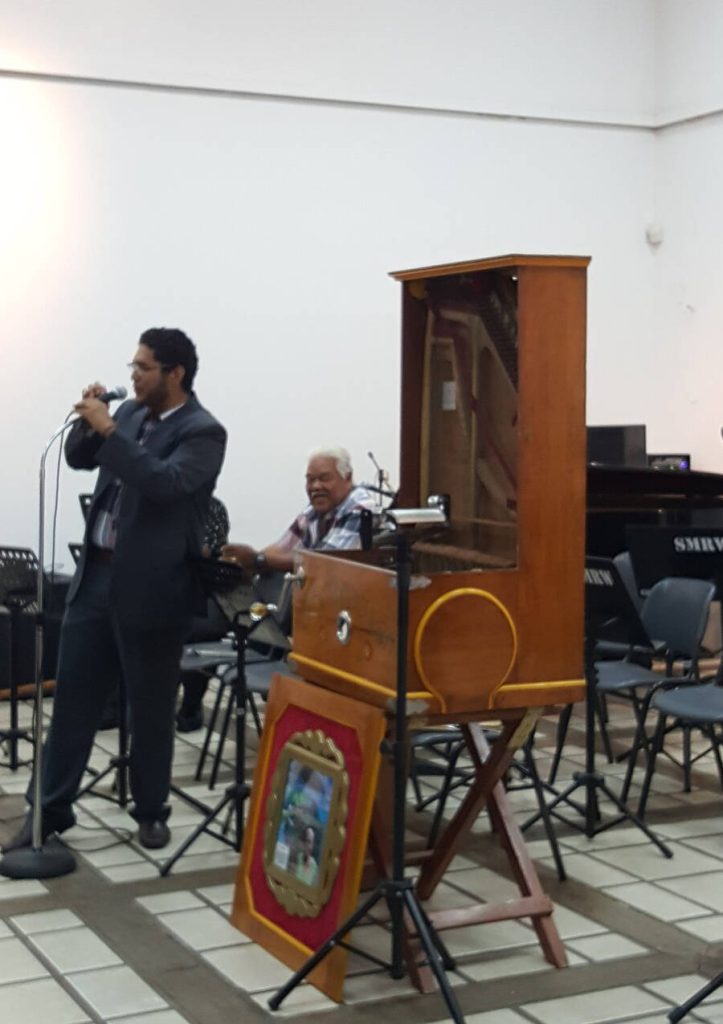
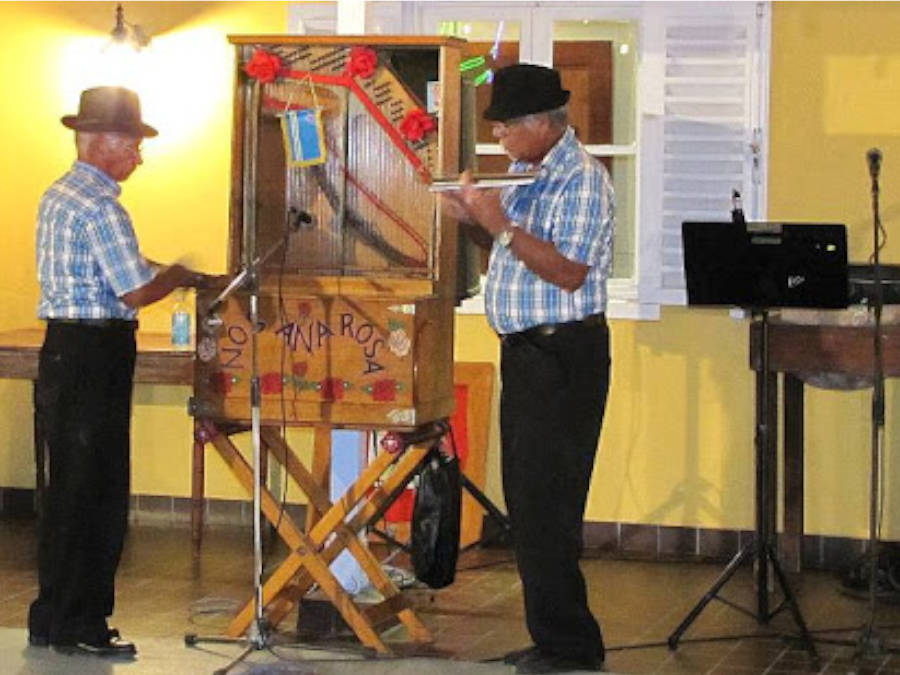
Compared to a standard piano, the Tingilingi Box can produce only about half the number of notes, yet its emotional range and communal spirit are unmatched.
Cultural Recognition and Modern Renaissance
Despite a decline in popularity mid-20th century, the Tingilingi Box experienced a revival in Aruba, thanks to cultural advocates and musicians like Rufo Wever and Edgar Palm, who innovated cylinder production and promoted the instrument in performances and recordings.
In 2016, the Kingdom of the Netherlands officially recognized the Tingilingi Box as part of its Intangible Cultural Heritage, a testament to the instrument’s cultural value and cross-continental legacy.
Today, performances are still held in the Netherlands, Aruba, and Curaçao, and workshops continue to introduce younger generations to this beautiful musical tradition.
The Legacy Lives On
Whether rolling through a festival in Oranjestad, playing at a village gathering in Willemstad, or featured in a heritage event in The Hague, the Tingilingi Box continues to resonate—literally and figuratively—as the soulful soundtrack of Caribbean identity.
Its legacy is one of cultural resilience, creativity, and joyful expression. As long as someone is willing to turn the crank, the melodies of the past will keep echoing into the future.