Turning History into Harmony — Oranjestad, Aruba
Aruba is redefining how heritage can live, breathe, and sing. At the heart of Oranjestad, a groundbreaking movement is taking shape—Crank the Island. This visionary initiative transforms restored monuments into musical, crankable art installations. It is the core of a unique cultural blueprint where Aruba’s architectural past meets sonic innovation—a world-first.
Crank the Island: A Rhythmic Future for Heritage Design
What began as a creative experiment with the Tingilingi Box and the Shon Dun Dun House has evolved into a bold and unprecedented cultural direction. Crank the Island is more than a project; it’s a movement—reimagining historic buildings as playable instruments that resonate with Aruban rhythm, identity, and pride.
- More Tingilingi Boxes to Come: Following the success and vision of the Shon Dun Dun prototype, additional Tingilingi Boxes are already in development. Each will be inspired by another restored monument in Aruba, turning the island into a rhythmic landscape of living heritage.
- A World-First Innovation: Aruba is leading the world by transforming national architectural heritage into musical, interactive public artworks. This concept has no global precedent—it is an Aruban original.
- Branding Aruba Through Culture: With every restored building that sings, plays, and tells a story, Aruba is branding itself as a nation where architecture and music harmonize—where history is not just seen, but heard and felt.
This initiative, led by the Sister Organisation Oranjestad, is an invitation to locals and visitors alike to crank, explore, and experience history in motion.
The Tingilingi Box: A Living Instrument and Cultural Symbol
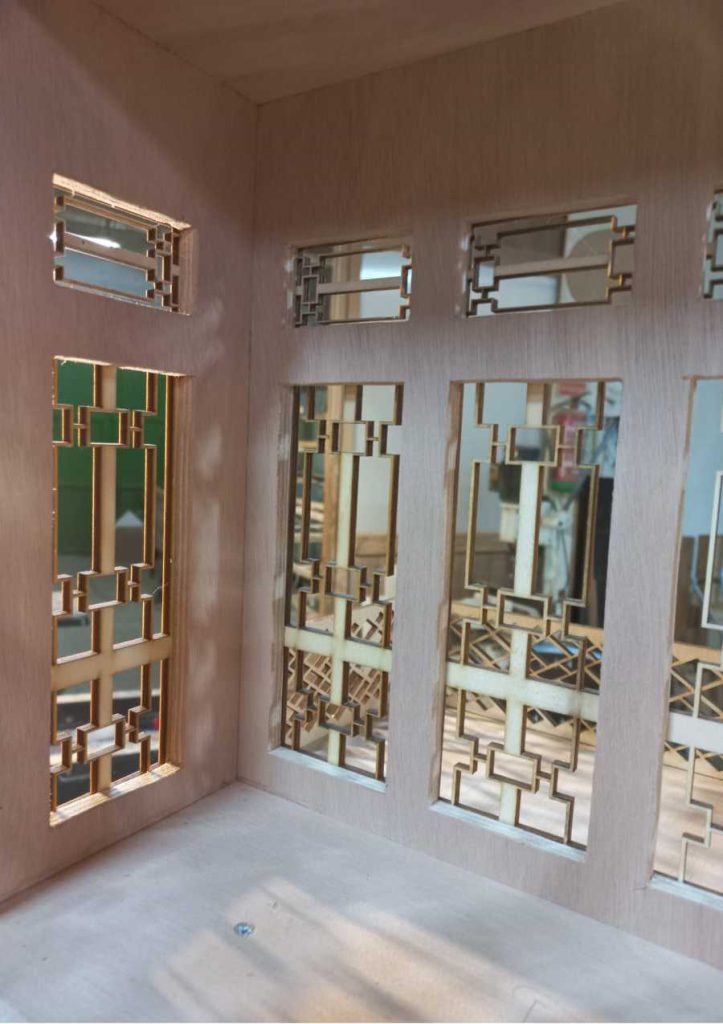
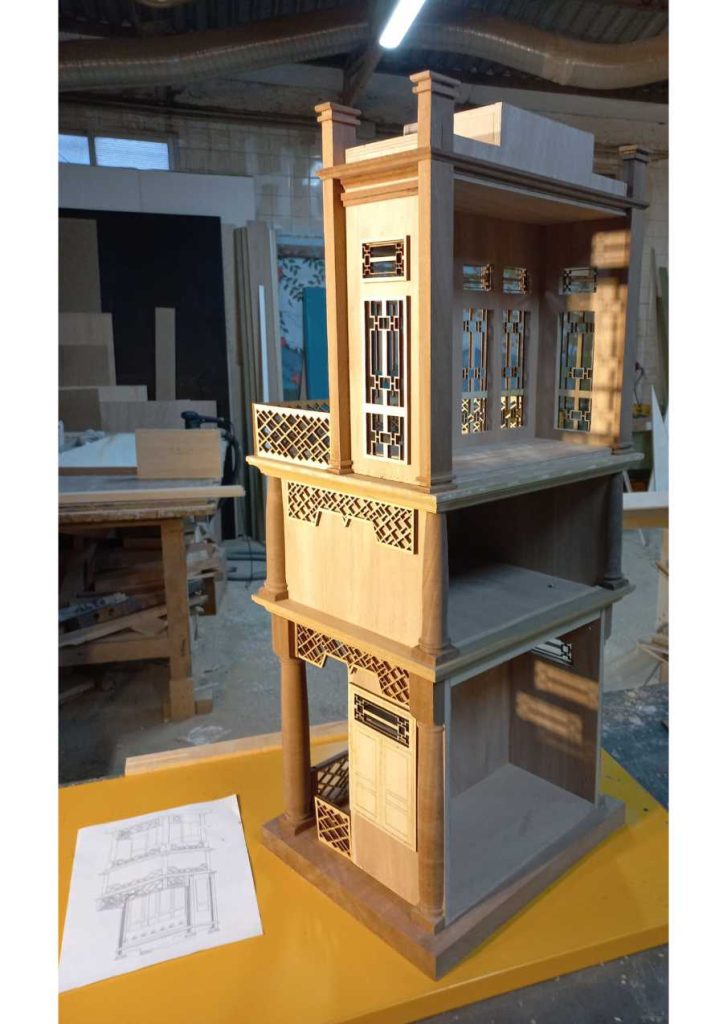
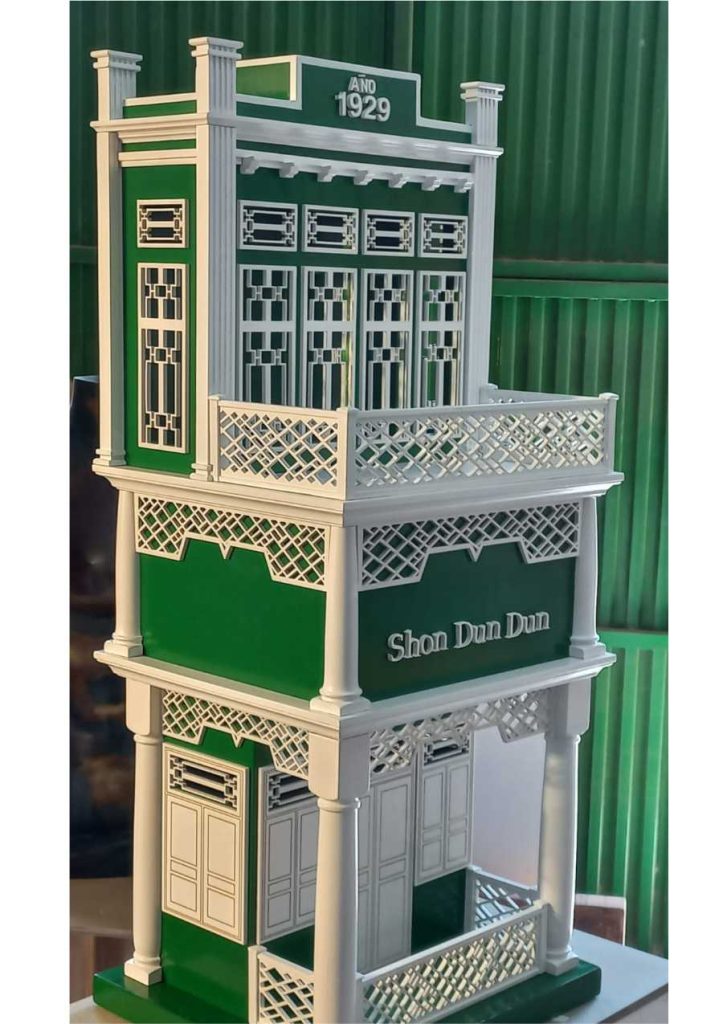
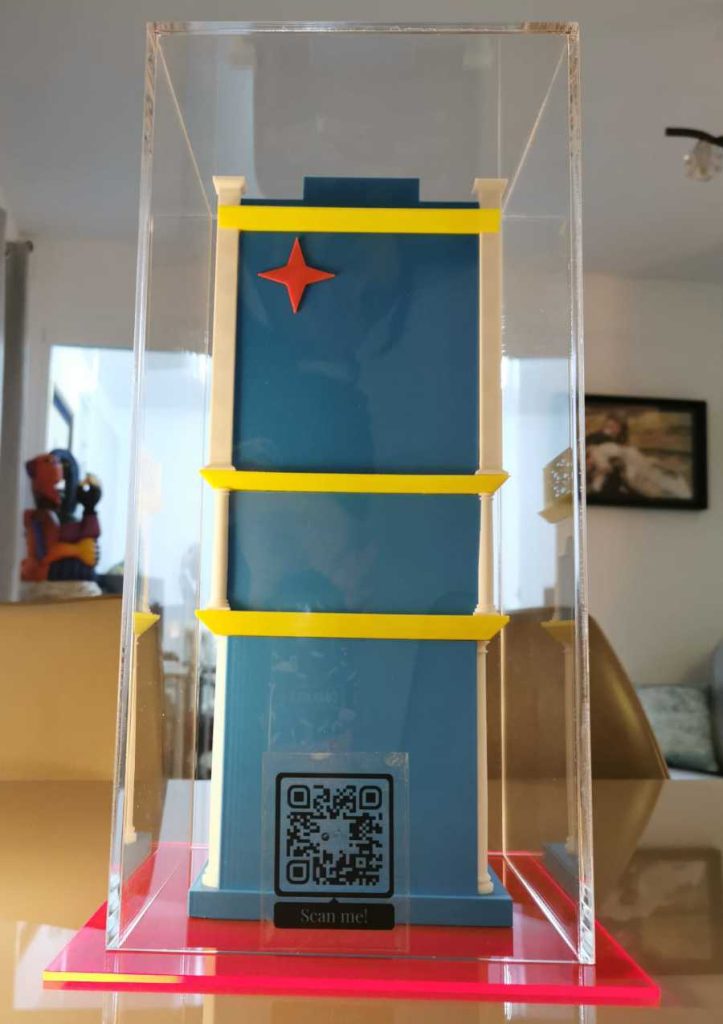
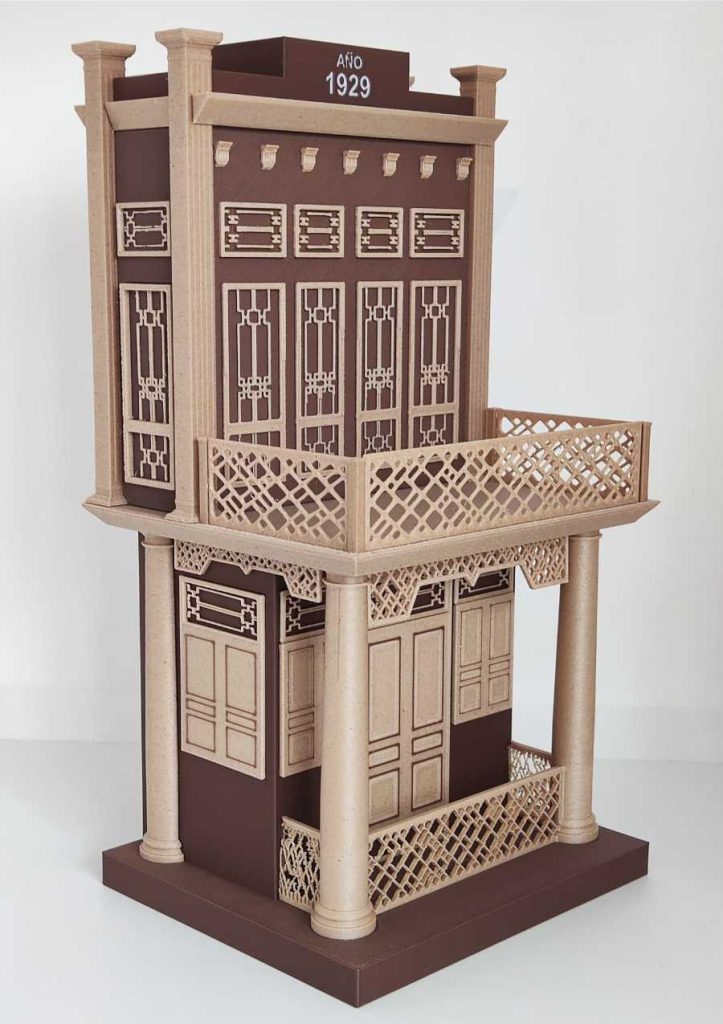
Originally a quaint historical building, the Tingilingi Box is undergoing a creative transformation—not as a static exhibit, but as a musical instrument in its own right. Named after the joyful «tingilingi» sounds of bells and folklore, it now pays tribute to the architectural features and cultural spirit of the Shon Dun Dun House.
- Musical Architecture: The building is being reengineered as a soundscape—floors, façades, and fixtures become percussive surfaces reflecting Aruban musical heritage.
- Creative Blueprint: It stands as a template for future Tingilingi Boxes, showcasing how heritage structures can be reactivated through music, community engagement, and art.
- Legacy in Progress: Discover the origins of this vision at ArubaMusicBox.com, where the Tingilingi Box first took conceptual shape as a bridge between architecture and Aruban musicology.
Shon Dun Dun House: Honored Through Imitation
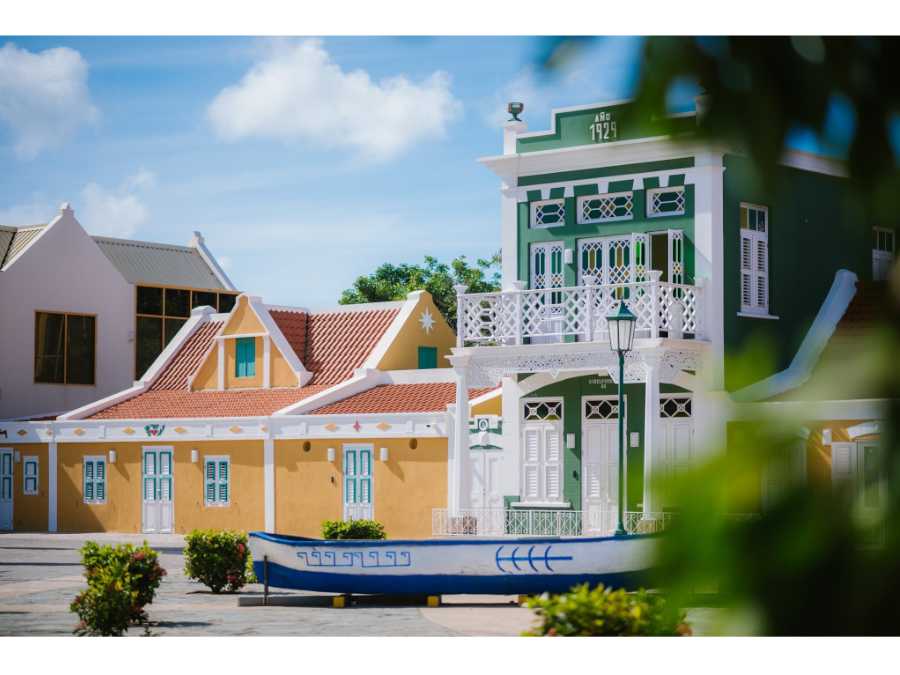
The Shon Dun Dun House, an iconic example of early 20th-century Aruban architecture, lives on not just through its preservation but through reinterpretation.
- Architectural Tribute: Its coral-stone walls, carved window shutters, and rhythmic interior layout have deeply influenced the Tingilingi Box redesign.
- Cultural Continuity: The Shon Dun Dun House isn’t frozen in time—it’s reimagined to inspire new forms of storytelling, performance, and public interaction.
- Museum Legacy: As part of the Archaeological Museum of Aruba, it remains a keystone in the narrative of Aruban urban life and built heritage.
A Sound That Sets Aruba Apart
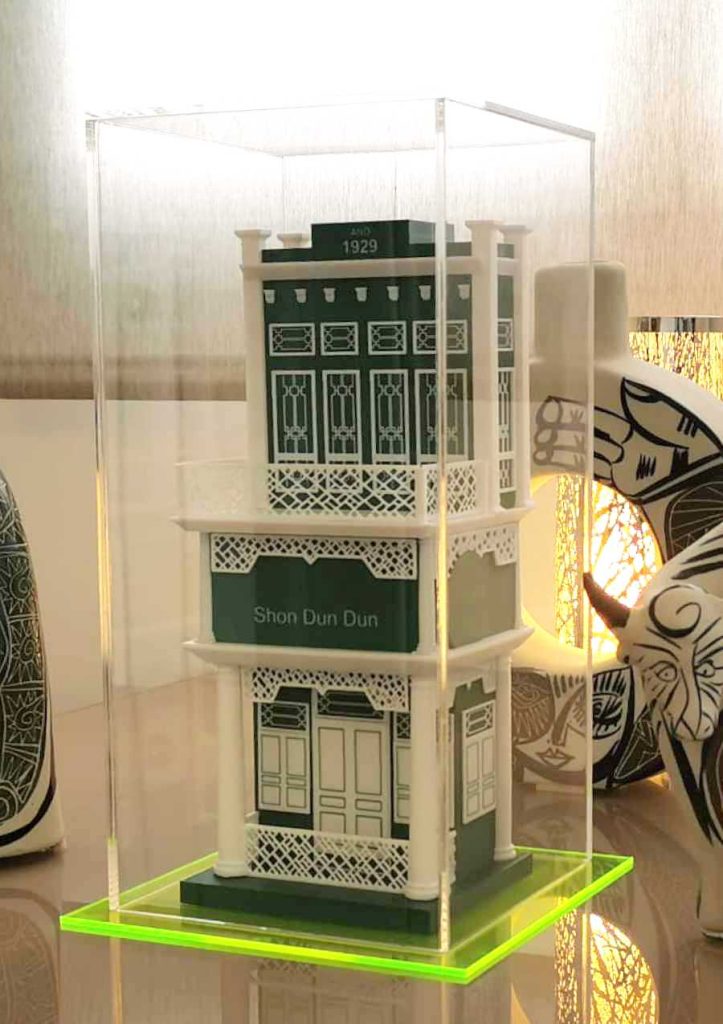
With Crank the Island, Aruba presents a global innovation in cultural tourism, education, and national branding. Where else in the world can you walk through a monument—and play it?
This is not just preservation—it’s activation. Not just memory—it’s melody.
This is Aruba. This is Architecture in Rhythm.